





Slate tile vent
A slate tile vent, plain tile vent or non-profile tile vent is suitable for flat profile slate or tile roofs. The vent itself is often a moulded plastic product, but can also be made of clay. It is designed to allow air to pass through the roof covering without letting rain water in. They normally have small vents holes within the tile or slate profile and a secondary layer to allow water run off. Other more generic universal types of roof tile vents have a raised section or cover with ventilation beneath. These fit various styles of roof tile and slates.
In most cases the underside of the venting tile will have a downstand and a lip, to allow it to penetrate the roofing layer beneath the battons above the rafters, (and breahter membrane, felt or waterproofing), to provide ventilation whilst sealing the roof. In some cases it may be fitted with extra attachments to allow ventilation ducts such as from a bathroom extract to be connected.
In a cold roof, the insulation and air tightness barrier is normally in line with the ceiling of the upper most rooms, rather than the pitch of the roof itself. Keeping the uninsulated roof space ventilated can be important to prevent moisture build-up, mould and potential damage to timber rafters, particularly where non breathable felt or bitumen products are used. Increased moisture from warm air and activity in living spaces below can build up in the cold roof space above, condense on surfaces and without good air flow can cause structural damage over longer periods.
Roof tile vents are one way of introducing air flow into a cold roofs to remove moisture build up. Other options include felt lap, slate, soffit, fascia and ridge vents. In some cases where levels of insulation are increased above the ceiling level this can restrict air flow that traditionally would have come through the sofits or barge board ventilators. Roof tile vents can be installed higher up the roofpitch, thus not being restricted by the increased levels of insulation.
For further information on the ventilation of cold roofs guidance should be sought in Aproved Document C "Site preparation and resistance to contaminants and moisture" section C2.
[edit] Related articles on Designing Buildings
Featured articles
Check out some of the best features and news from Designing Buildings as well as key stories from around the web.

The heritage of nuclear and conventional power stations.
New measures to stop people being ripped off

Government to protect families from cowboy builders and aggressive bailiffs.

New Futurebuild showcase brings an innovation-first approach.
National Planning Policy Framework
Understanding the 2026 changes.
ECA's public affairs priorities

Member consultation opens to shape priorities for 2027 to 2030.

Dutyholder responsibilities from 1 July 2026.
Where performance meets practice

The Building Envelope Stage at UKCW Birmingham.

CIAT publishes briefing on planning reforms.
Leaders in Learning for Practice Network

Call for conservation leaders in learning to register interest in new network.
The importance of early engagement

Construction lessons from the Trillium HealthWorks Experience Centre.
Mayors are to be given planning call in powers

Mayors across England will be able to make the most important planning decisions.
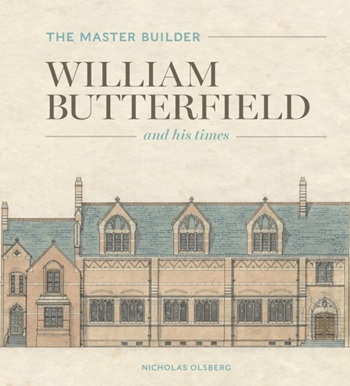
The Master Builder: William Butterfield and his times. Book review.